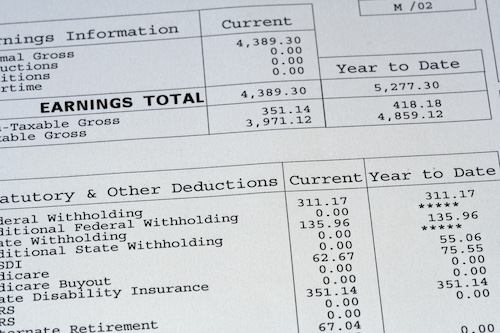
Suffered a Warehouse Injury in Miami-Dade? Florida Law Entitles You to Medical Care, Lost Wages, and More — Here’s What You Need to Know.
Miami-Dade County has become one of South Florida’s fastest-growing logistics hubs. With millions of square feet of warehouse and distribution space lining the corridors around Miami International Airport, Hialeah, Doral, and Medley, tens of thousands of workers clock in every day at Amazon fulfillment centers, FedEx distribution hubs, and third-party logistics (3PL) facilities. These jobs keep goods moving, but they also come with serious physical risks.
If you were hurt on the job at a warehouse in Miami-Dade, you have legal rights under Florida law. Understanding those rights can mean the difference between a fair recovery and being left without income, medical care, or a path forward. Work Injury Rights has helped injured workers throughout South Florida navigate exactly this situation.
Why Warehouse Work Is So Dangerous
Warehouses are among the most physically demanding and hazardous workplaces in the country. The combination of heavy machinery, high shelving, fast-paced quotas, and repetitive physical labor creates a perfect storm for serious injuries.
According to the Bureau of Labor Statistics’ industry injury and illness data, the transportation and warehousing sector consistently ranks as one of the highest for nonfatal occupational injuries and illnesses, with rates significantly above the national average across all industries.
In Miami-Dade specifically, the pressure is amplified. Distribution centers here operate around the clock to serve both domestic markets and international shipping lanes, meaning workers often face mandatory overtime, night shifts, and relentless production quotas. At large employers like Amazon, rate-monitoring systems track workers’ every movement, and the pressure to keep up can lead workers to skip rest, rush through unsafe conditions, or ignore warning signs of injury until it’s too late.
The Most Common Warehouse Injuries We See in Miami-Dade
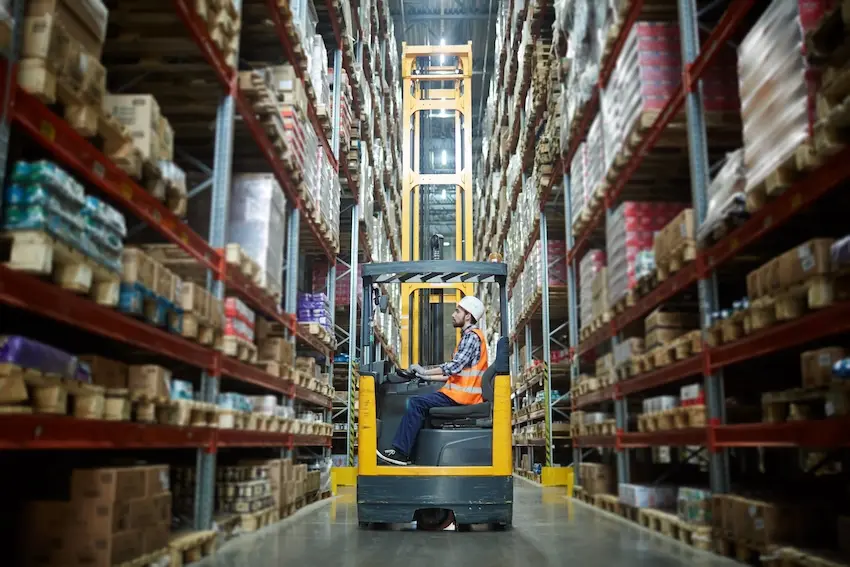
Forklift and Heavy Equipment Accidents
Forklifts are involved in thousands of serious workplace injuries nationwide every year. In busy distribution centers, tight aisles, poor visibility, distracted operators, and inadequate training all contribute to collisions, crush injuries, and fatalities. Injuries from forklift accidents can include broken bones, traumatic brain injuries, spinal damage, and amputations.
Falling Object Injuries
High-density racking systems store products many stories above the warehouse floor. Improper loading, damaged shelving, and inadequate safety netting can send heavy boxes or pallets crashing down onto workers below. Head trauma and spinal injuries are common outcomes.
Slip, Trip, and Fall Accidents
Wet floors from dock areas, spilled products, uneven flooring, and poorly lit pathways cause slip-and-fall accidents that result in everything from sprained ankles to fractured hips and back injuries. These accidents are preventable, but warehouse operators often fail to maintain safe walking surfaces under production pressure.
Repetitive Motion and Overexertion Injuries
Not every warehouse injury is dramatic. Many of the most debilitating injuries develop over time. Scanning, lifting, sorting, and packing hundreds of items per hour puts extreme stress on workers’ wrists, shoulders, knees, and backs. Repetitive stress injuries (RSIs), rotator cuff tears, herniated discs, and carpal tunnel syndrome are extremely common among warehouse workers, and they are fully compensable under Florida workers’ compensation law.
Loading Dock and Truck Accidents
Loading docks are among the most dangerous zones in any distribution facility. Workers are frequently injured by moving trucks, unsecured trailers, falls from dock height, and being caught between vehicles and the building. These accidents often cause severe, life-altering injuries.
Conveyor Belt Injuries
High-speed conveyor systems are efficient and unforgiving. Entanglement, crushing, and laceration injuries happen when guards are missing or workers reach into moving equipment. Amazon facilities in particular rely heavily on automated conveyor systems, and injuries tied to this equipment are well-documented.
Your Rights Under Florida Workers’ Compensation Law
Florida law requires virtually all employers to carry workers’ compensation insurance. If you are injured at work at an Amazon warehouse, a FedEx hub, a cold-storage facility, or any other distribution center in Miami-Dade, you are entitled to workers’ compensation benefits regardless of fault. This means you do not need to prove your employer was negligent to receive benefits.
What Workers’ Compensation Covers
Under Florida Statute Chapter 440, injured warehouse workers are generally entitled to:
- Medical benefits — All reasonable and necessary medical treatment related to your injury, including emergency care, surgery, physical therapy, prescription medication, and specialist visits
- Temporary total disability (TTD) benefits — If you cannot work at all while recovering, you may receive wage replacement benefits equal to two-thirds of your average weekly wage
- Temporary partial disability (TPD) benefits — If you can return to work in a limited capacity at reduced pay, TPD benefits make up a portion of the difference
- Permanent impairment benefits — If your injury results in a permanent impairment, you are entitled to additional compensation based on an impairment rating
- Vocational rehabilitation — If your injury prevents you from returning to warehouse work, you may be eligible for retraining and job placement assistance
The Clock Starts on the Day You’re Hurt
Florida law imposes strict deadlines on workers’ compensation claims. You must report your injury to your employer within 30 days of the accident, or within 30 days of the date you knew or should have known your injury was work-related. Failing to report in time can jeopardize your entire claim. After reporting, your employer is required to notify their insurance carrier, and a formal claim must be filed within two years of the injury date.
Amazon, FedEx, and Third-Party Employers: Why These Cases Get Complicated
One of the most frustrating realities for warehouse workers hurt at large distribution centers is that the employment relationship is often not straightforward. Many workers at Amazon fulfillment centers in Miami-Dade are not employed directly by Amazon; they are placed through staffing agencies. The same is true at many FedEx and UPS facilities, where contract workers handle significant portions of the labor.
This layered employment structure can create real problems when you file a workers’ compensation claim:
- Staffing agencies may dispute coverage, claiming the facility, not the agency, is the employer of record
- Misclassification as an independent contractor is common, particularly for delivery drivers and gig-economy workers, and is often used illegally to deny benefits
- Large insurers aggressively defend claims, deploying adjusters and nurse case managers whose goal is to limit payouts, not protect your recovery
This is why having an experienced Miami-Dade workers’ compensation attorney in your corner matters from day one.
Third-Party Liability: When You Can Sue Beyond Workers’ Comp
Workers’ compensation is generally your exclusive remedy against your direct employer. However, warehouse workers are sometimes injured due to the negligence of a third party, meaning someone other than the employer. When that happens, you may be able to pursue a separate personal injury lawsuit in addition to your workers’ compensation claim.
Common third-party liability scenarios in warehouse settings include:
- A forklift or equipment manufacturer whose defective product caused your injury
- A property owner (if different from your employer) who failed to maintain safe premises
- A subcontractor or vendor on-site whose employee or equipment caused your accident
- A truck driver employed by a separate company who struck you on a loading dock
Third-party claims can result in compensation for damages that workers’ compensation does not cover, including pain and suffering, full lost wages, and loss of future earning capacity. Our team at Work Injury Rights evaluates every case for both workers’ comp and third-party liability potential.
What to Do Immediately After a Warehouse Injury in Miami-Dade
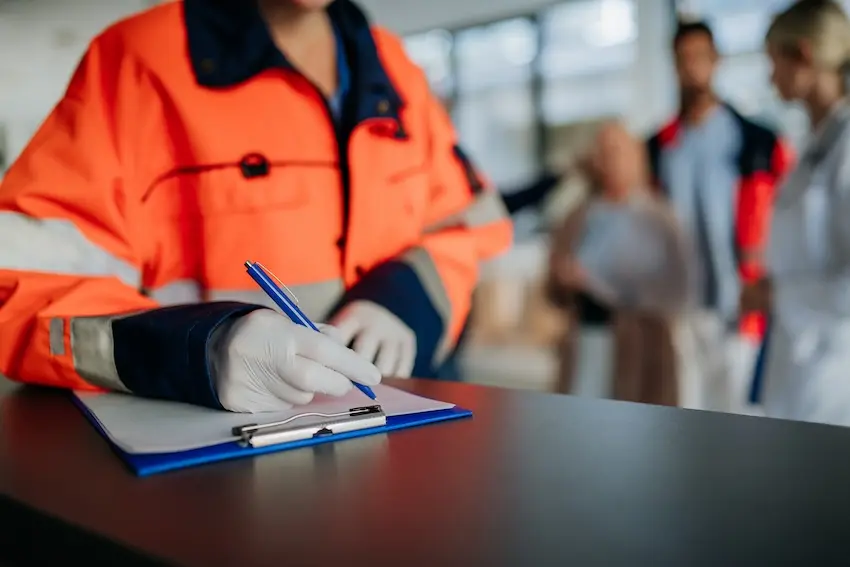
The steps you take in the hours and days after a workplace injury can significantly affect the strength of your claim. Here is what matters most:
- Seek medical attention immediately — Even if you believe your injury is minor, get evaluated. Delays in treatment are used by insurers to argue your injury was not serious or not work-related.
- Report the injury to your supervisor in writing — Do not rely on a verbal report. Send an email or fill out a formal incident report. Keep a copy.
- Document everything — Photograph your injuries, the accident scene, any equipment involved, and any hazardous conditions. Write down the names of witnesses.
- Be careful what you sign — Insurance adjusters may contact you quickly and ask you to provide a recorded statement or sign documents. Do not do either without consulting an attorney.
- Follow all medical treatment recommendations — Gaps in treatment or failure to follow doctor’s orders are used to challenge the severity of your injuries.
- Contact a workers’ compensation attorney — The sooner you have legal representation, the better protected you are throughout the claims process.
Why Warehouse Workers Often Get Less Than They Deserve
The workers’ compensation system in Florida is designed to be a safety net, but in practice, injured workers frequently face claim denials, low impairment ratings, and pressure to return to work before they are ready. Insurance companies employ teams of professionals whose job is to minimize what they pay out.
Common tactics used against injured warehouse workers include:
- Disputing that the injury happened at work
- Arguing a pre-existing condition caused the injury
- Rushing workers through the system with inadequate medical care
- Assigning an Employer Medical Examiner (IME) whose opinion routinely favors the insurer
- Offering a quick lump-sum settlement that is far below the true value of the claim
You are not required to accept any of this. An experienced attorney can challenge denials, request independent medical evaluations, depose the insurer’s medical experts, and fight for the full benefits and compensation you are owed.
Serving Warehouse Workers Across Miami-Dade County
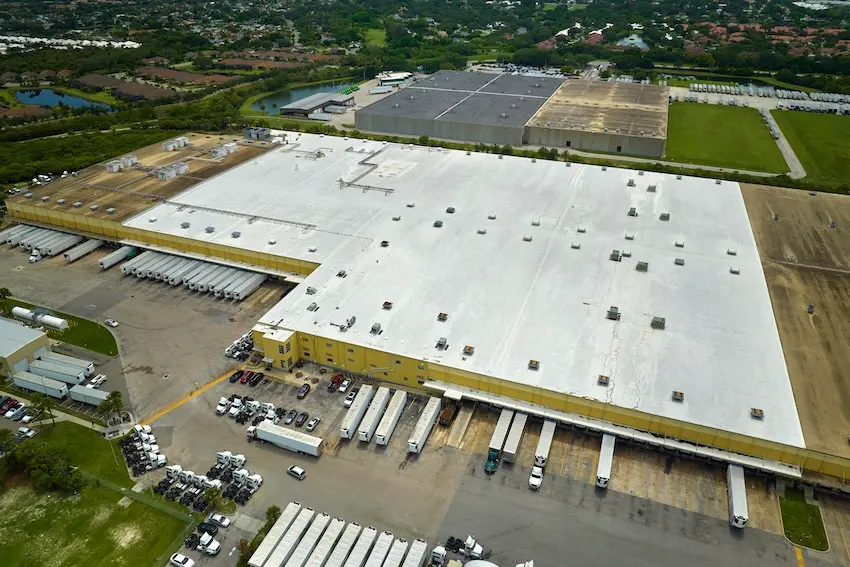
Our firm represents injured workers at warehouses and distribution facilities throughout Miami-Dade, including those located in:
- Doral — One of the densest concentrations of logistics and distribution facilities in South Florida
- Hialeah — Home to numerous manufacturing and warehouse operations
- Medley — A major industrial corridor with significant distribution activity
- Miami International Airport area — Air cargo and logistics facilities handling millions of shipments annually
- Opa-locka — Growing industrial and distribution zone
- Homestead and South Miami-Dade — Agricultural and cold-chain distribution centers
No matter where in Miami-Dade your injury occurred, we are ready to help.
Suffered a Warehouse Injury in Miami-Dade? Talk to an Attorney — For Free
If you were hurt at an Amazon warehouse, FedEx distribution center, or any other facility in Miami-Dade County, you deserve straightforward answers about your rights and aggressive representation if the insurance company fights your claim.
At Work Injury Rights, we represent injured workers on a contingency fee basis, which means you pay nothing unless we recover compensation for you. There are no upfront fees, no hourly charges, and no risk to you.
Contact us today for a free, confidential consultation. Tell us what happened, and we will tell you exactly where you stand.
This blog post is intended for general informational purposes and does not constitute legal advice. For advice specific to your situation, please consult a licensed Florida workers’ compensation attorney.