When to Contact a Miami Workers’ Compensation Lawyer After a Denial
Many injured workers try appealing denials themselves. Sometimes this works for straightforward cases with clear documentation. However, you should contact a workers’ compensation lawyer immediately if:
Your claim involves disputed causation or pre-existing conditions. The insurance company alleges misconduct or safety violations. Your injury requires ongoing medical treatment or surgery. You’re facing pressure to return to work before you’re ready. The denial involves complex legal or medical issues. You’re unsure how to file a Petition for Benefits. The insurance company has lawyers representing their interests.
The sooner you involve a lawyer, the better your chances of winning your appeal. Early legal representation prevents mistakes that could permanently damage your case.
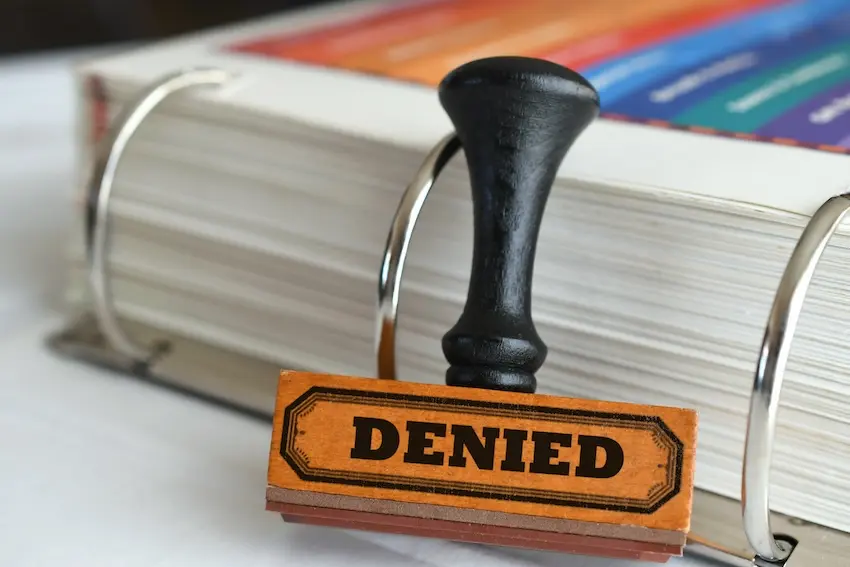
Understanding Florida Workers’ Compensation Claim Denials in Miami-Dade
Getting injured at work is stressful enough. Then you file for workers’ compensation benefits, expecting the system to protect you, and your claim gets denied. You’re left with medical bills piling up, no income replacement, and confusion about what went wrong.
If your workers’ comp claim was denied in Miami, you’re not alone. Insurance companies deny thousands of legitimate claims every year in South Florida. The good news? Most denials can be successfully challenged and overturned with the right approach and an experienced workers’ compensation lawyer.
This guide explains the five most common denial reasons and the specific steps you need to take to get your benefits.
Why Insurance Companies Deny Workers’ Compensation Claims in Florida
Insurance companies aren’t neutral parties evaluating your claim fairly. They’re businesses trying to minimize payouts and protect profit margins. Claims adjusters receive training on finding reasons to deny claims, delay payments, and reduce benefit amounts.
Every denied claim saves the insurance company money. Florida workers’ compensation law is complex, with strict deadlines and technical requirements. Insurance companies exploit these complexities to deny claims over technicalities rather than addressing whether you’re actually injured and entitled to benefits.
The 5 Most Common Reasons Workers’ Comp Claims Get Denied in Miami
Reason 1: Late Reporting of the Injury
Florida law requires you to report workplace injuries to your employer within 30 days of the incident. If you miss this deadline, or can’t prove you reported within 30 days, the insurance company will deny your claim on this basis alone.
Sometimes workers don’t realize the injury is serious until weeks later. Sometimes supervisors tell workers they’ll “take care of it” but never file official reports. Sometimes workers fear retaliation and delay reporting. The insurance company doesn’t care about these reasons.
Documentation becomes critical; emails, text messages, or written reports showing you notified someone at the company within 30 days can save your claim.
Reason 2: Disputing the Injury Is Work-Related
Insurance companies routinely argue that injuries didn’t actually happen at work or aren’t connected to job duties. This denial reason appears frequently with injuries that develop gradually, back injuries, repetitive strain conditions, and occupational illnesses, because there’s no dramatic incident to point to.
The insurer will dig through your medical history, looking for any prior complaints about the affected body part. Had some lower back stiffness three years ago? They’ll claim your current herniated disc isn’t from work. Played recreational sports? They’ll argue your shoulder injury came from tennis, not from stocking shelves.
Winning these disputes requires strong medical evidence connecting your specific job duties to your injury. You need detailed medical opinions explaining how the physical demands of your work caused or significantly contributed to your condition. A workers’ compensation lawyer can coordinate with medical experts to develop the detailed documentation needed to prove causation.
Reason 3: Pre-Existing Condition Claims
Insurance companies love claiming injuries are pre-existing conditions rather than new work injuries. Here’s what matters under Florida law: you’re entitled to workers’ compensation benefits when work aggravates, accelerates, or worsens a pre-existing condition.
But insurance companies will deny these claims, hoping you don’t know your rights. They’ll point to any prior medical treatment for related issues and claim the current problem isn’t new.
Challenging these denials requires medical evidence showing your work duties caused a significant worsening of the condition—that while you may have had some baseline issues, the work injury created new problems or substantially aggravated existing ones beyond what would have occurred naturally. Many workers hire a workers’ compensation lawyer specifically for pre-existing condition disputes because the medical evidence requirements are complex.
Reason 4: Alleging You Weren’t Working When Injured
Insurance companies deny claims by arguing you weren’t actually working when you got hurt, you were on lunch break, before your shift started, after clocking out, or engaged in personal activities.
An injury that occurred five minutes before your scheduled shift? Denied. Hurt during your lunch break? Often denied. Injured in the parking lot while walking to your car? Frequently denied.
Florida law does provide coverage for some injuries occurring outside strict working hours—traveling for work purposes, during paid breaks, or in areas controlled by the employer. But insurance companies argue for the narrowest possible interpretation.
Reason 5: Claiming You Caused the Injury Through Misconduct
Florida workers’ compensation is generally a no-fault system, but there are exceptions. Insurance companies deny claims by alleging you engaged in willful misconduct, violated safety rules, were intoxicated, or intentionally injured yourself.
We see these denials particularly with construction accidents, warehouse injuries, and transportation incidents. The insurer claims you weren’t wearing required safety equipment, operated machinery improperly, or violated company policies.
Often, the “safety violations” weren’t actually enforced at the workplace—everyone violated those rules routinely. Sometimes the alleged violations are exaggerated or invented after the fact. Proving you followed applicable rules requires witness testimony from coworkers and documentation of actual workplace practices. An experienced workers’ compensation lawyer can challenge these allegations by investigating actual workplace conditions versus company policies on paper.

What to Do Immediately After Your Workers’ Compensation Claim Is Denied
Step 1: Request the Written Denial and Your Complete File
The insurance company must provide a written explanation for the denial. Request your complete claim file, all medical records, witness statements, investigator reports, and correspondence. Understanding exactly why they denied your claim determines your appeal strategy.
Step 2: Continue Medical Treatment
Don’t stop seeing doctors just because your claim was denied. If you have personal health insurance, use it. Gaps in medical treatment hurt your case. Insurance companies argue that if you were really injured, you would have continued treatment regardless of who was paying.
Step 3: Gather All Evidence Supporting Your Claim
Collect everything that proves your injury is work-related and occurred within the required timeframes. Text messages or emails reporting the injury, photos of the accident scene, witness contact information, contemporaneous notes about what happened, and documentation showing you followed proper procedures. The more evidence you compile, the stronger your appeal. A workers’ compensation lawyer can help identify which evidence will be most persuasive.
Step 4: File a Petition for Benefits
You have limited time to challenge a denial through Florida’s workers’ compensation system. Filing a Petition for Benefits with the Office of Judges of Compensation Claims initiates the formal dispute resolution process and preserves your rights. The OJCC provides official forms, filing instructions, and information about representing yourself or working with a workers’ compensation lawyer during the appeals process.
Step 5: Hire a Workers’ Compensation Lawyer
Denied claims are significantly more complex than initial claims. You’re fighting an insurance company that has already taken a position against you. A Miami workers’ compensation lawyer knows how to build strong appeals, gather the right medical evidence, and present cases before judges. Statistics show workers with legal representation receive substantially higher settlements and win appeals more frequently than unrepresented workers.
The Florida Workers’ Compensation Appeals Process
Once you file a Petition for Benefits, mediation comes first in most cases. A neutral mediator helps both parties try to reach settlement. Many cases resolve at mediation when the insurance company realizes you have strong evidence and a skilled workers’ compensation lawyer representing your interests.
If mediation fails, the case proceeds to a hearing before a Judge of Compensation Claims. This is a formal legal proceeding where both sides present evidence and witnesses. The judge then issues a written order approving or denying benefits. Either party can appeal the judge’s decision to the First District Court of Appeal.
The entire process can take months or years, depending on case complexity. This is why having a workers’ compensation lawyer matters—you need someone who can navigate this system efficiently while protecting your rights.
How Our Miami Workers’ Compensation Lawyers Handle Denied Claims
We exclusively represent injured workers in Florida workers’ compensation cases, never insurance companies or employers. We immediately review denial letters and claim files to identify weaknesses in the insurance company’s position. We gather additional evidence and obtain detailed medical opinions from doctors who can testify persuasively about causation.
We handle all communication with the insurance company so they can’t twist your words. We prepare comprehensive legal briefs, take depositions of insurance witnesses, and cross-examine their medical experts. At hearings, we present organized, compelling cases that make it difficult for judges to rule against our clients.
We work on contingency; you don’t pay anything upfront. Our fee comes from your settlement or award when we win. If we don’t recover benefits, you don’t owe us anything.

Don’t Let a Denial Stop You From Getting Your Florida Workers’ Compensation Benefits
A denied workers’ compensation claim doesn’t mean your injury doesn’t matter or that you don’t deserve help. It usually just means the insurance company found a technical reason to refuse payment, hoping you’ll give up.
Most denials can be successfully challenged with proper evidence, legal arguments, and persistence. Insurance companies know this, which is why they often reconsider or settle cases once injured workers hire a qualified workers’ compensation lawyer.
Your injury is real. Your medical bills are mounting. You need income while you recover. You deserve the benefits Florida workers’ compensation law provides. Don’t let an insurance company’s denial stop you from getting what you’re entitled to.
Work Injury Rights has recovered over $200 million for injured workers throughout Miami-Dade, Broward, and Palm Beach counties. Our workers’ compensation lawyers have helped thousands overcome denied claims and know how to win these cases.
If your workers’ compensation claim was denied in Miami or anywhere in South Florida, call us at 954-388-8616 for a free consultation with an experienced workers’ compensation lawyer.
We’ll review your denial letter, explain exactly why your claim was rejected, and tell you honestly whether we can win an appeal. There’s no cost for this consultation and no obligation.
Don’t fight the insurance company alone. Call 954-388-8616 today.


